Most people try one bottle of alcohol-free wine, hate it, and write off the whole lot. Usually it was a supermarket red that tasted like Ribena had been told some bad news.
I get it. I used to be a big wine drinker, so my first few alcohol-free bottles were judged harder than a contestant on Bake Off who's used shop-bought pastry.
Some deserved it. Some were brilliant, and I'd have missed them if I'd quit after bottle one.
The trick isn't luck. It's knowing what to look for before you hand over your money. So here's my no-nonsense guide to picking a bottle you'll actually finish.
The short answer
To choose a good alcohol-free wine, start with the style you already like, go for fizz or crisp whites if you're new, and read the label for three things: whether it's made from real wine with the alcohol removed, its ABV (0.0% or up to 0.5%), and its sugar per 100ml. Match it to food, serve it properly chilled, and spend a bit more on reds, because red is the hardest style to get right without alcohol.
Step one: start with what you used to drink
Your old wine habits are a cheat sheet. Use them.
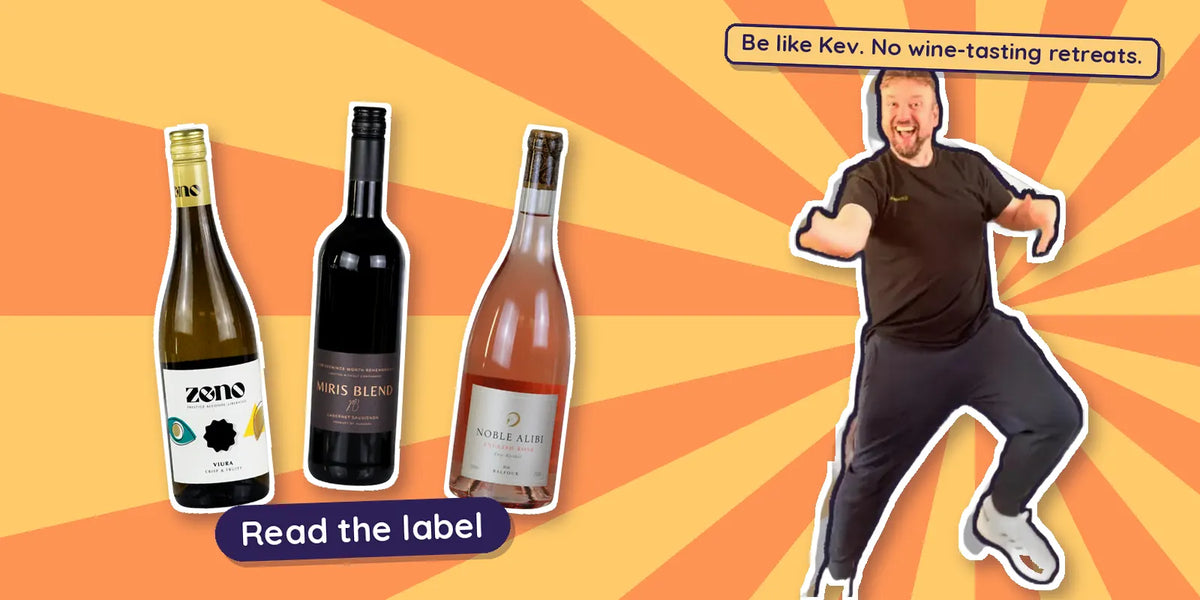
If you were a Sauvignon Blanc person, look for zesty, tropical whites. ZENO White is made from Viura and full of mango, passionfruit and zingy citrus, with proper texture. If you liked something aromatic and a touch off-dry, like a German Riesling, the Miris Blend Édition Premier Blanc brings elderflower, lemon and gooseberry with a salty, mineral finish.
Pale rosé fans have two good routes. Noughty Organic Rosé is a Provençal-style rosé from South Africa, and Balfour Noble Alibi is an English rosé from Kent with strawberry, raspberry and a hint of cream.
An English alcohol-free rosé. Rarer than a sunny bank holiday.
Big red drinker? Brace yourself and read step five.
Step two: if you're new, start with fizz
Bubbles are the best friend alcohol-free wine ever had. They add lift and freshness, and they cover a lot of the body that leaves with the alcohol.
It's like a good haircut. Hides a multitude of sins. I'd know.
The Miris Blend Blanc de Blancs is crisp German fizz with green apple, lemon meringue and a hint of biscuit, from nine months ageing in tank. It's a lovely first bottle for a Prosecco drinker. When you're ready to go deeper, my alcohol-free sparkling wine review splits the fizz up by occasion.
Step three: read the label like a detective
This is where most bad bottles get caught. You don't need a magnifying glass, but if you own a deerstalker, now's its moment.
Is it actually wine? The good stuff is made as proper wine first, then the alcohol is gently removed, often by low-temperature vacuum distillation or spinning cone.
Look for words like "dealcoholised" or "alcohol removed". If it reads like grape juice with flavourings and a fancy label, expect grape juice with flavourings and a fancy label.
What's the ABV? Alcohol-free in the UK means up to 0.5%. Plenty of great wines sit at 0.2% to 0.5%, and some, like Pierre Zéro and Wild Idol, are a true 0.0%.
If you need zero, our 0.0% collection saves you squinting at labels.
How much sugar? Some makers chuck in sugar to cover the gaps. A little is fine, but too much and it tips into fizzy pop.
Many good bottles list sugar per 100ml. The Noughty Organic Red, for example, is 2.5g per 100ml, which is low for an alcohol-free red.
If you want to know what else can turn up in the bottle, I've covered alcohol-free wine ingredients separately.
Tasting-note words help too. Crisp, dry, mineral and zesty point to grown-up and food-friendly. Juicy, lush and ripe aren't bad, but expect something softer and fruitier.
Step four: choose for the food
A wine that's fine on its own can sing with the right plate, and a lovely solo glass can fall over at the dinner table. Food is the referee.
Crisp whites and dry fizz suit salads, fish, salty snacks and anything fried. Rosé loves picnics, mezze and a bit of spice.
Lighter reds are happiest with tomato sauces, mushrooms and roast chicken, while richer reds want steak, a roast or a cheese board. If it says "serve with a Sunday roast" on the back, believe it more than the gold foil on the front.
Step five: spend a bit more on red
Here's the honest bit.
Red is the hardest style to make alcohol-free. Alcohol carries body, warmth and length in red wine, so when it leaves, the cheap ones taste thin.
It's the Phantom Menace of the wine world. Big expectations, bit hollow.
The good news is that oak ageing, proper grapes and careful methods make a real difference. Miris Blend Cabernet Sauvignon spends time in big oak barrels before the alcohol comes out, and you get blackcurrant, plum and silky tannins.
If you want to see how far this can go, ILEX Saint-Émilion Merlot was the first alcohol-free wine made in Saint-Émilion. Plum, black cherry, cedar. Pricey, but it'll change your mind.
For a full rundown, I've got a whole post on the best non-alcoholic red wines.
Step six: try before you commit
Not sure? Don't spend £30 on a hunch. Buy small first.
The Pierre Zéro Merlot 20cl is one glass of fruity, floral French red at 0.0%, so you can test the water (well, the wine) without a whole bottle staring at you from the fridge. Once you find a style you like, the wine bottle deal knocks 10% off six bottles and 15% off twelve, mix and match across our whole alcohol-free wine range.
And if you're in Otley, pop into the taproom at 7 Manor Square and talk it through over the counter. We'll happily bore you about grapes for twenty minutes.
The mistakes everyone makes
Serving it too warm. Alcohol-free wine loves a good chill. Whites, rosés and fizz should be properly cold, and even reds are better slightly cool than room temperature.
Comparing it sip for sip with a 14% Rioja. That's like judging a cover band by holding up the original album. Ask whether it's good on its own terms, with food, on a Tuesday.
Leaving an open bottle in the fridge for a week. Alcohol-free wine goes off faster than normal wine, so read up on how long alcohol-free wine lasts before you find out the hard way.
The serious bit
Drinks up to 0.5% ABV count as alcohol-free in the UK, but that isn't 0.0%. If you need zero, check the label. If you're pregnant or on medication, check with your GP or midwife first.
If you're worried about your drinking, Drinkaware and the NHS alcohol support pages are a good, free place to start.
Kombucha Kev, Functional Drinks Club