I have a rule. Every time someone in the drinks industry says "premium", I put a pound in a jar. The jar is now so heavy I've had to reinforce the shelf. By Christmas I'll be able to retire.
It's on everything. Premium tonic. Premium lemonade. I saw a bag of premium ice once. It was ice. It was cold and wet, the same as all the other ice.
But here's the annoying bit. Some alcohol-free drinks really are better than others, and they do cost a bit more. So this is a beginner's tour of the good stuff. What "good" actually tastes like in each type of drink, and one bottle or can to start with.
The short answer
A genuinely good non-alcoholic drink tastes complete: it has body, a clear flavour and a finish that hangs around, rather than tasting thin or sugary. Start with the type of drink you already like. Beer is the easiest place to find quality, sparkling wine is close behind, and spirits are best mixed. Ignore the word "premium" on the label. Judge it in the glass.
If you want to know which pricey trends are actually worth the money, I've done a whole separate rant on "premium" non-alcoholic drinks trends. This one's the starter pack.
How to tell a good one from a dud
Three quick tests. Works on beer, wine, spirits, anything.
Body. Alcohol gives drinks weight. Without it, cheap ones feel watery, like a cup of tea made by someone who's scared of teabags. Good ones rebuild that weight with malt, tannin, bubbles or bitterness. Balance. Is it all sugar? Bad sign. The good stuff has some sharpness or bitterness to stop it tasting like squash. Finish. Does the flavour hang around after you swallow? Or does it vanish faster than a Yorkshireman when it's his round?
Beer: where to start
Alcohol-free beer is the most grown-up corner of the whole category. It's where you'll find the most quality for the least money. A good one should taste like beer, full stop. Not "good for alcohol-free". Just good.
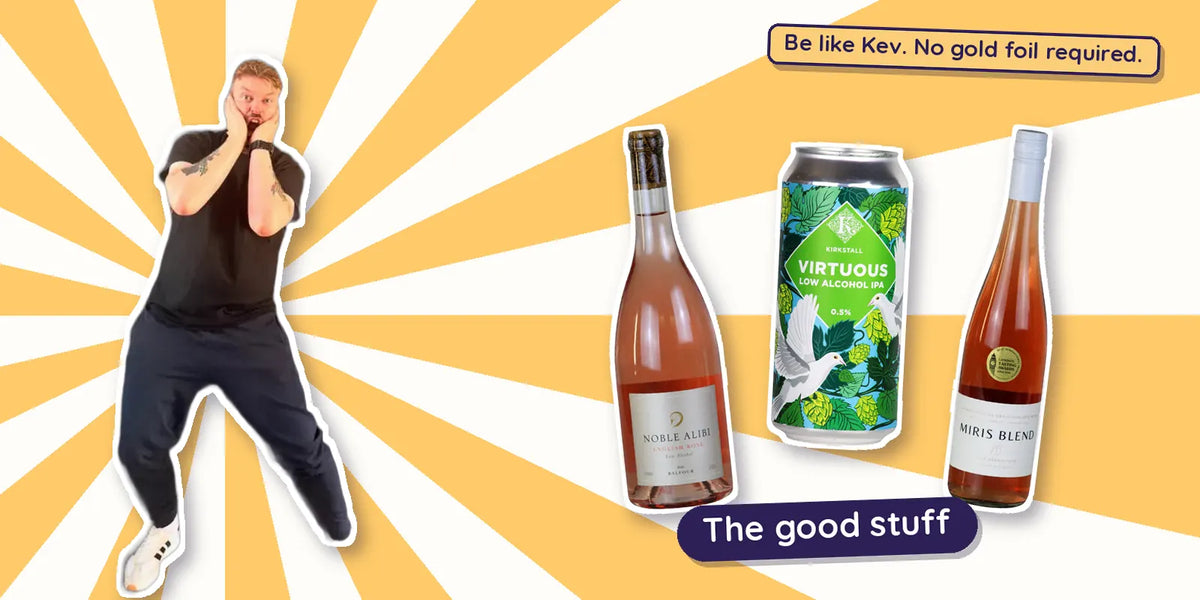
Start with an IPA, because hops bring loads of smell and flavour. Kirkstall Brewery Virtuous is crisp and bright with Citra, Mosaic and Simcoe hops: tropical fruit, pine, citrus and a little hint of blueberry. Brewed in Leeds, so practically a neighbour.
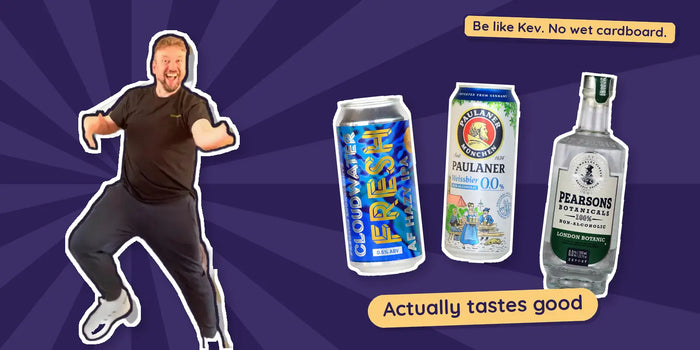
If you're more of a traditional sort, Paulaner Weissbier 0.0% is a proper Munich wheat beer. They brew it the traditional way and take the alcohol out after a long maturation. Fine malt, fruity, and absolutely zero. Lederhosen optional. Strongly discouraged, actually.
When you're ready for more, here are the best non-alcoholic craft beer brands.
Wine: where to start
Wine is harder to get right, because alcohol does so much of the work in it. So spend a bit more here. A cheap alcohol-free wine can taste like grape juice that's been through a break-up.
Rosé is a brilliant place to start. Balfour Noble Alibi is an English rosé from Kent, made from Pinot Noir, Pinot Meunier and Chardonnay, the same grapes behind England's best sparkling wines. Strawberry and raspberry, delicate and pink. Serve it with a summer salad and feel very Wimbledon.
As a former big wine drinker, I'll be honest: reds are the hardest. Whites and rosés are easier wins. Our guide on how to choose alcohol-free wine will help you dodge the duds.
Fizz: where to start
Sparkling is the cheat code. Bubbles fill the gap that alcohol leaves, so good alcohol-free fizz gets very close to the real thing. Miris Blend Rosé Aromatique was named Best Non-Alcoholic Wine in London 2026. It's made from Pinot Noir, Merlot and Cabernet Cubin in Germany's Palatinate, floral and fruity with lively bubbles.
Or try something that's not wine at all. Copenhagen Sparkling Tea LYSEGRØN is fresh and zesty: citrus and green tea, then lemongrass and Sencha, finishing with Darjeeling and green apple. It's what happens when a sommelier gets bored of grapes.
Spirits: where to start
Here's the big beginner mistake. Alcohol-free spirits aren't for sipping neat. Most are built to be mixed, roughly one part to three parts mixer. Do that, and the whole category makes sense.
For a first bottle, pick something bold that won't vanish in tonic. Crossip Dandy Smoke brings Lapsang tea, smoke and peat, dark fruit and warming spice. The Independent named it the best overall non-alcoholic spirit of 2025, with a perfect 10. With ginger ale and an orange twist, it's very hard to argue with.
There's much more in our straight-talking guide to alcohol-free spirits.
Cocktails: the lazy genius option
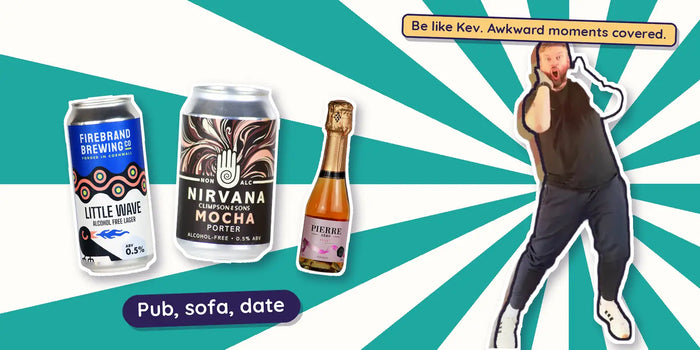
If you can't be bothered measuring things (respect), a good ready-made cocktail is the shortcut. Savyll Bellini is inspired by the original from Harry's Bar in Venice: dry prosecco notes, aromatic bitters and ripe white peach, with light, frothy bubbles. Venice in a can. Minus the gondolas, the queues and the €30 coffee.
Is it worth paying more?
Sometimes. Pay more when you can taste where the money went: better grapes, better hops, more care. Don't pay more for a heavy bottle, gold foil or a label that promises to "elevate your evening". That's another pound in the jar.
And save money where you can. You can build a box with any mix: 6 or more drinks for 5% off, 12 or more for 10%, 24 or more for 15%. Delivery is free on UK mainland orders over £85, and £4.95 under. Or come and browse the fridges at Functional Drinks Club, 7 Manor Square, Otley. You can't collect online orders there, but you can buy anything in person.
The serious bit
In the UK, drinks up to 0.5% ABV count as alcohol-free. That isn't 0.0%, so if you need zero, check the label. Every product page here shows the exact ABV.
If you're pregnant or on medication, check with your GP. And if you're worried about your drinking, Drinkaware and the NHS alcohol advice pages have free, proper support.
Kombucha Kev, Functional Drinks Club