I have the willpower of a Labrador outside a butcher's. Always have. Put a biscuit tin on the side and it's empty by Wednesday.
So when people say they cut down on booze through sheer grit, I nod politely and wonder what's wrong with them. For most of us, willpower runs out at about 6.15pm on a Thursday.
Here's the good news. The people who make cutting down stick usually aren't stronger than you. They've just set things up so they don't need to be.
The short answer
Cutting down on alcohol sticks when it becomes a habit, not a nightly battle. You keep the cue, like the end of the working day or the Friday takeaway, and you swap the drink that follows it.
Better alcohol-free drinks make that swap easy. Flexible approaches like zebra striping or set drink-free days are easier to keep up than all-or-nothing rules. That's why this time, for a lot of people, it's actually sticking.
Why willpower keeps losing
Willpower is a rubbish business model. You're relying on a decision you have to make fresh every evening, usually when you're tired, hungry and someone's asked what's for tea.
Habits don't work like that. A habit is your brain on autopilot: cue, action, reward. The cue fires, you do the thing, you get the nice feeling, and you never actually decided anything.
It's Groundhog Day. Bill Murray didn't escape by trying harder on the same morning. He changed what he did with it.
Keep the cue, swap the drink
This is the bit that works. You don't have to get rid of the moment. You just change what's in your hand.
Kitchen at 6pm, coat off, fridge open, can cracked? Keep all of that.
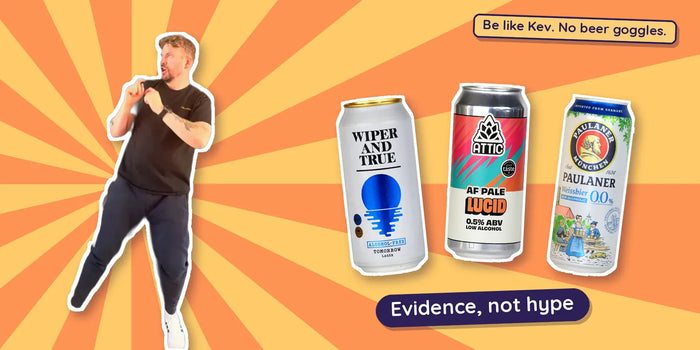
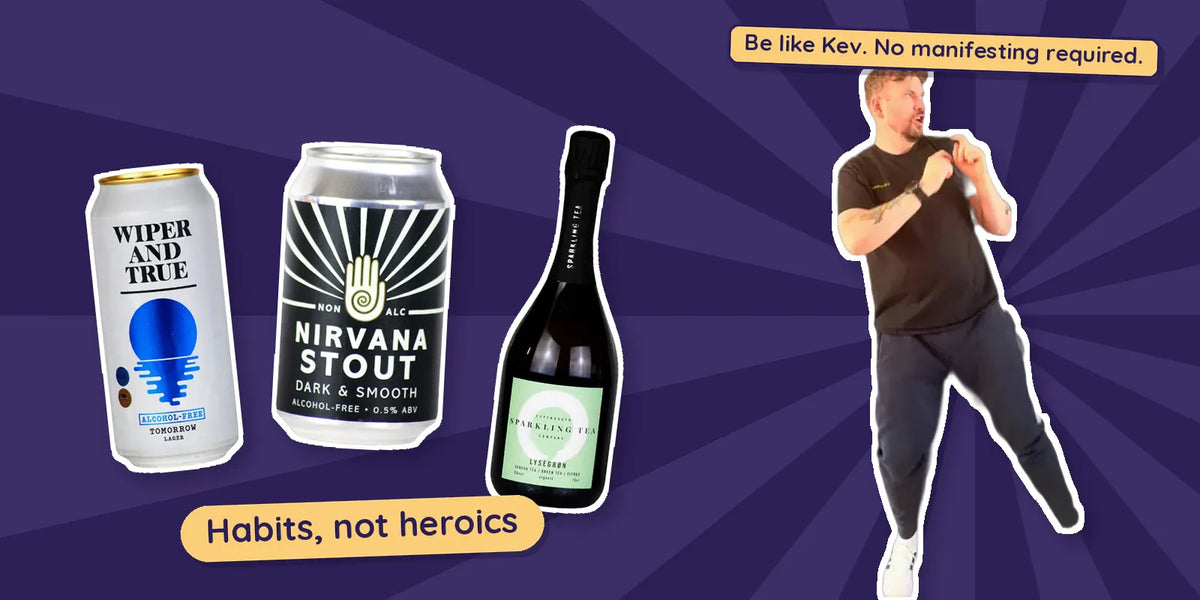
Just make the can a Wiper and True Tomorrow, a crisp, biscuity alcohol-free lager at 62 calories a big can. For a lot of people, the hiss, the cold and the first sip do most of the work.
If the evening glass of wine is your cue, start with the weeknight swap. It's the easiest win going, and it's why I reckon Tuesday tastes better with no Wednesday.
How long until it sticks?
Longer than 21 days, sorry. That number gets thrown around everywhere, usually by someone selling a 21-day plan.
A UCL study on how long habits take to form followed volunteers building a new daily habit, like a glass of water with lunch. On average it took 66 days to feel automatic. But it ranged from 18 days to an estimated 254, and simple habits stuck faster than complicated ones.
It was a small study, and it wasn't about alcohol. Still, the lesson's handy: keep the swap simple and give it a couple of months. The researchers also found that missing the odd day didn't wreck things, so one wobble at a wedding isn't game over.
Why all-or-nothing is a trap
All-or-nothing rules have one big flaw. The first time you have a drink, you've "failed", so you might as well have six.
Flexible approaches survive real life. Zebra striping means alternating alcoholic and alcohol-free drinks on a night out. Drink-free days mean picking set nights off, and I've written about why drink-free days matter if you want the detail.
Then there's the other approach: swap every hangover for a five-hour run. You'll know the type. Lean, smug, and still somewhere up the Chevin in a gilet, explaining his watch to a dog walker who never asked.
Better drinks make the habit easy
Ten years ago, the alcohol-free option was a warm can that tasted of cardboard and regret. Nobody builds a habit around that.
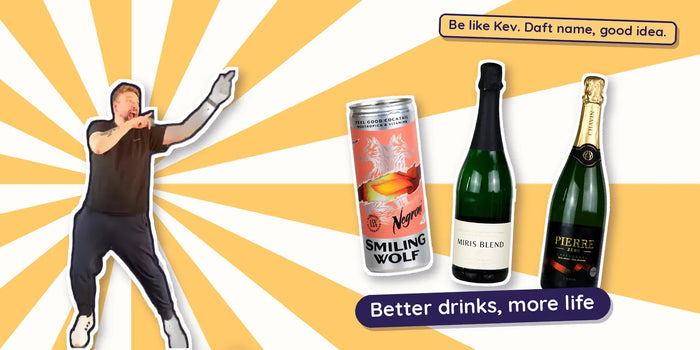
Now a dark night calls for Nirvana Dark & Smooth, all cocoa and toasted grain. A Friday sit-down calls for a Smiling Wolf Negroni over a big ice cube. A fish supper calls for Copenhagen Sparkling Tea LYSEGRØN, crisp and citrusy with green tea and green apple.
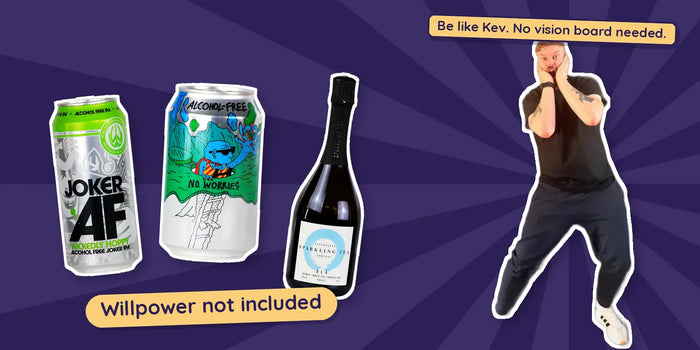
When the swap tastes good, you're not resisting anything. You're just having a nice drink. Willpower can stay on the sofa, where it belongs.
Make it easy for future you
Habits love convenience. If the only cold thing in the fridge is wine, you'll drink wine. If there's a shelf of decent alcohol-free cans, you'll probably have one of those.
So stock up before you need it. A mixed build-a-box gets you 5% off six or more drinks, 10% off 12 and 15% off 24, with free UK mainland delivery over £85. Future you, stood at the fridge at 6.15pm on a Thursday, will be very grateful.
That's my whole approach, really. I'm 46 and I want to be chasing my daughter round a park in my 70s. I know exactly how good my willpower is, so I don't rely on it.
The serious bit
If you find you can't cut down, or you get shaky, sweaty or anxious when you stop, talk to your GP before stopping suddenly. Coming off alcohol after heavy, regular drinking can be dangerous without medical support.
Many alcohol-free drinks contain up to 0.5% ABV, so check the label if you need zero. If you're pregnant or on medication, check with your GP. If you're worried about your drinking, Drinkaware offers free, confidential advice.
Kombucha Kev, Functional Drinks Club